 ×2
×2E-commerce Instagram video that did 2× its author's usual
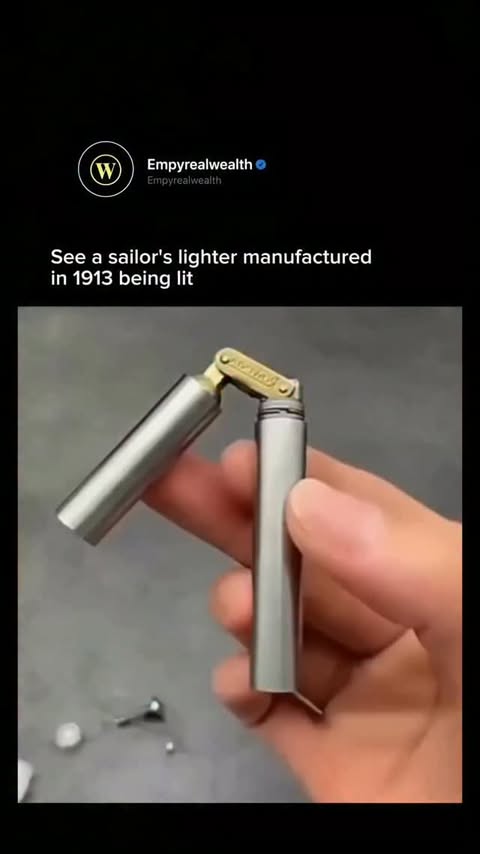
At the beginning of the 20th century, sailors needed equipment that could keep working through rain, strong winds, and long periods at sea. It was in this context that lighters like this one became highly valued. Built from durable materials with a simple yet reliable mechanism, they were designed to perform in harsh conditions where an ordinary lighter would often fail. The key advantage of this type of lighter was its wind-resistant flame. Its design helped shield the flame from direct gusts of wind, allowing it to stay lit even in extremely strong air currents. This made it especially valuable for crews who spent weeks or even months at sea, where dependable equipment was essential to daily life and work. Beyond maritime use, similar lighters were also used by soldiers during World War I. Their rugged construction and reliable performance in wet and demanding environments contributed to their widespread popularity at the time. Today, these lighters are regarded as historical artifacts and are highly sought after by collectors, serving as a lasting example of practical engineering created to withstand some of the toughest conditions imaginable. Credit goes to the respect owner Dm for credit and removal.
@empyrealwealth · 134K followers
This creator normally gets 48K views. This one got 113K. That gap — not the raw number — is what makes the format worth copying.
The video showcases the restoration and demonstration of a vintage sailor's lighter from 1913, detailing the process of refilling it with cotton, fluid, and a flint, then demonstrating its wind-resistant flame.
Open original ↗Likes 2.0KComments 2Shares —
Why it worked
The video works because it taps into curiosity about vintage items and their functionality. The satisfying assembly and the unique design of the lighter create a strong visual appeal. The text overlay provides context and historical value, making the demonstration more engaging and educational. The ASMR-like sounds of the lighter components further enhance viewer engagement.
How to reproduce this format
More e-commerce hooks that worked
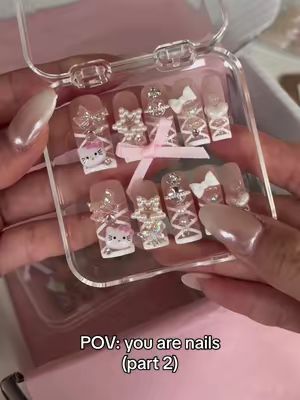 “POV: you are nails (being packed)”×18801 its author's norm
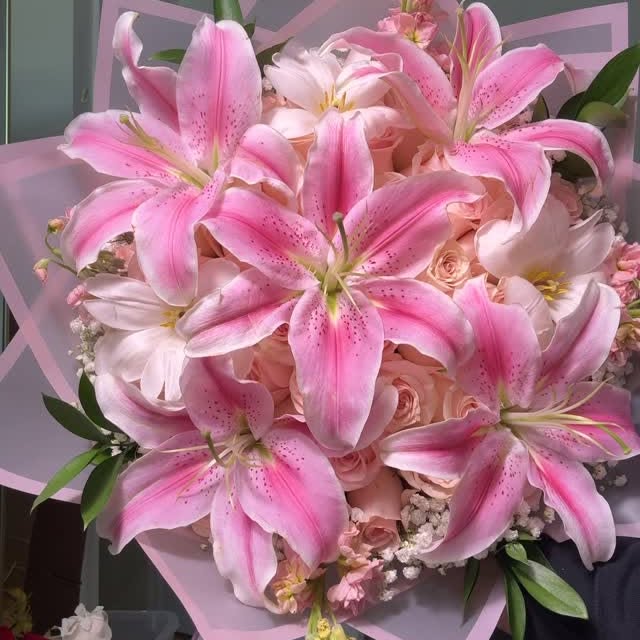 “50 ct. light pink + lilies 🌺”×6681 its author's norm
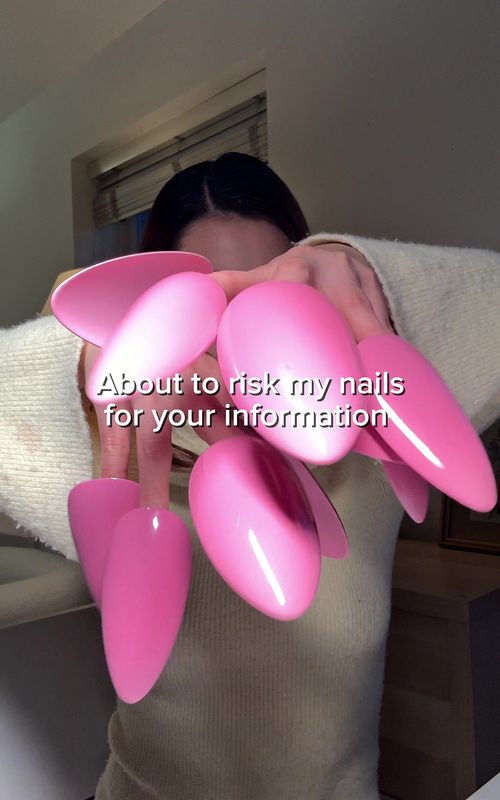 “About to risk my nails for your information”×5914 its author's norm
 “The toy-saving mom hack I didn’t know I needed! 🙌”×5830 its author's norm